

Phu Quoc has become a popular base for expats, digital nomads, and foreign workers who want island living without giving up modern comforts. Browse our apartments for rent in Phu Quoc while you read to get a feel for what is available. Renting a long term apartment in Phu Quoc is straightforward once you understand the local process. This guide walks you through every step, from documents to lease terms, so you can move in with confidence.
Table of Contents
Why Choose a Long Term Apartment in Phu Quoc
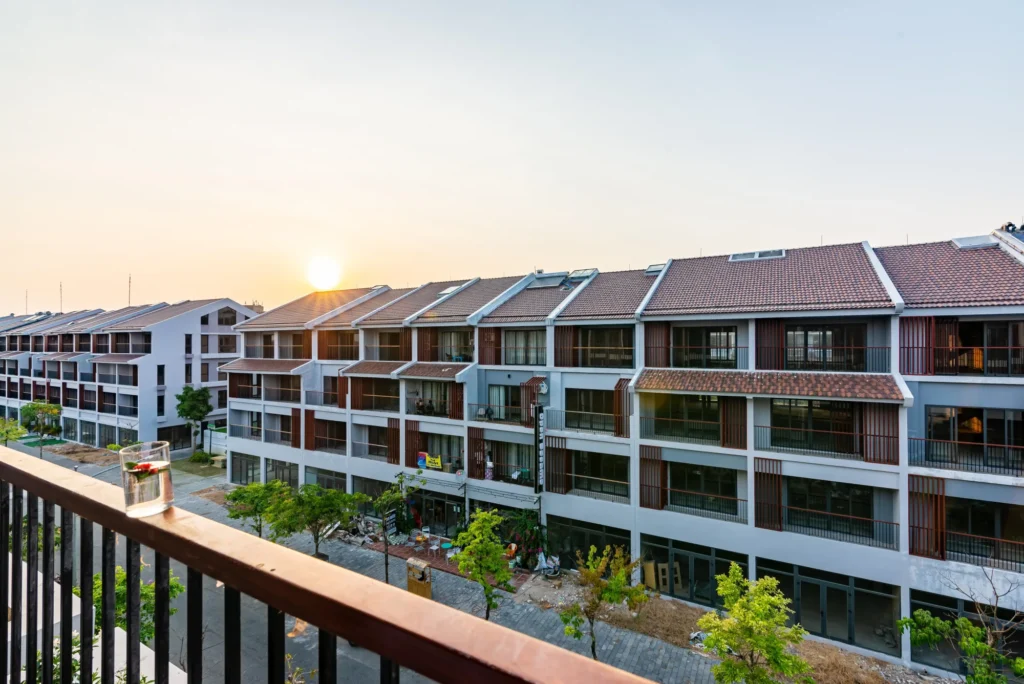
A long term apartement in Phu Quoc gives you lower monthly rates than short stay bookings, a stable home base, and the ability to settle into island life properly. Long term tenants also get priority access to serviced buildings with pools, gyms, and 24 hour security, which are common in newer developments across the island.
Most long term renters fall into one of these groups:
- Digital nomads who need reliable WiFi and a quiet workspace
- Foreign employees on assignment with local businesses
- Retirees seeking a slower pace of life near the beach
- Families relocating for an extended period
If you have read this article and still cannot find the answer you need, reach out to us directly. Our team has hands on experience with long term rentals in Phu Quoc and can help you figure out the right option. WhatsApp: +84 9024 070 24
In the meantime, feel free to browse our apartments and villas collections to get a sense of what is available.
Documents You Need to Rent
Vietnamese landlords and property managers typically ask for the same core documents before signing a lease. Prepare the following in advance:
- A valid passport
- A valid visa or entry stamp
- Proof of income, such as an employment contract, offer letter, or recent bank statements
- A signed lease agreement
- Deposit and rent payment receipts
Freelancers and remote workers should keep bank statements ready. Landlords in serviced apartments and higher end buildings often request financial proof to confirm you can cover rent for the full lease term.

Visa Requirements for Long Term Tenants
Your visa type affects how easily you can sign a long term lease.
- Tourist visas are sometimes accepted for short stays under three months, but they rarely satisfy landlords for longer leases.
- Business visas or a Temporary Residence Card (TRC) are preferred and often required for leases beyond six months. A TRC also simplifies residence registration and reduces visa renewal issues.
- Landlords generally favor tenants with a TRC or long term visa, since it signals a lower risk of early termination.
If you plan to stay in Phu Quoc for more than a few months, sort out your visa status before you start viewing apartments. It will widen the range of buildings willing to lease to you.
Temporary Residence Registration
Vietnamese law requires every foreigner to register their temporary residence with the local police within 24 hours of moving in. In most cases, the landlord or building management handles this step. You will still need to provide copies of your passport, visa, and lease agreement to support the registration.
This registration matters for two reasons:
- It is required for visa renewals and TRC applications.
- It proves you are living in the apartment legally.
Confirm with your landlord that registration has been completed, even if they manage the paperwork on your behalf.
Deposits, Payments, and Receipts
Once you agree on lease terms, expect to pay a security deposit along with the first month of rent in advance. Always request a signed receipt for every payment. Keep these receipts with your lease documents, since they serve as proof if a dispute arises later.
A few habits will protect you throughout the lease:
- Read the full lease before signing, including renewal and exit clauses
- Confirm what utilities are included and which are billed separately
- Ask whether the deposit is refundable and under what conditions
- Get any verbal agreement about repairs or furnishings in writing
Where to Find Long Term Apartments
Phu Quoc does not have the dense network of rental agents found in larger Vietnamese cities, which means finding the right unit takes a bit more effort. Many renters start with a short stay, then use that time to view long term options in person.
Look across a mix of sources:
- Dedicated rental listing sites focused on mid to long term stays
- Local Facebook groups for expats and residents on the island
- Direct outreach to serviced apartment buildings and residences
- Referrals from other expats already living on the island
Working with a listing site that filters specifically for mid and long term rentals saves time, since many platforms are built around short vacation stays rather than monthly or yearly leases.
Phu Quoc Rental Properties (PRP) focuses on long term and short term rentals across the island, with listings for apartments, villas, houses, and commercial spaces built for residents, expats, digital nomads, and businesses. The team is led by Mr. Nguyen Van Hai, a certified real estate broker with many years of experience working with local owners and foreign clients. PRP offers transparent advice and fair pricing with no hidden fees, which takes the guesswork out of comparing buildings and lease terms on your own.
Popular Areas for Long Term Renters
Where you rent shapes your daily routine as much as the apartment itself.
- Duong Dong offers the widest range of restaurants, shopping, and everyday services, and sits centrally near the airport and main roads.
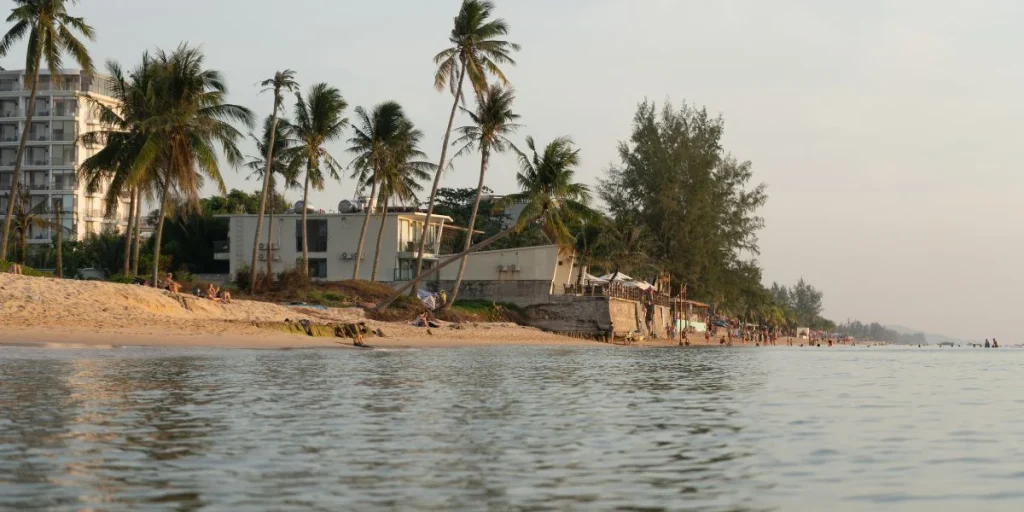
- Bai Truong Beach area suits renters who want beach access with a quieter residential feel.
- Sunset Town and the surrounding Hillside area appeal to tenants who want resort style amenities, sea views, and proximity to nightlife.
- An Thoi works well for renters who prefer a calmer south island setting near Kem Beach and the ferry terminal.
Visit a few neighborhoods before committing. Each one offers a different balance of convenience, noise, and access to the beach.
Questions to Ask Before You Sign
Bring this checklist to every viewing:
- What is the minimum lease term, and is there a discount for a longer commitment?
- Is the deposit refundable, and what conditions apply?
- Who handles temporary residence registration, and how quickly?
- Are utilities, internet, and building fees included in the rent?
- What is the process for renewing or ending the lease early?
Clear answers to these questions upfront prevent misunderstandings later in your stay.
Final Thoughts
Renting a long term apartment in Phu Quoc is simple once you understand the documents, visa requirements, and registration steps involved. Sort out your visa status early, keep every payment receipt, and take time to compare neighborhoods before you commit to a lease.
Browse our current selection of mid and long term apartments across Phu Quoc, or get in touch with our team for help finding a home that fits your stay.

)
Pingback:Cost of Living in Phu Quoc for Expats: 2026 Local Insight